Gold Standard Virridy

dMRV Solution &
Implementation Plan

Digital Monitoring, Reporting & Verification for carbon-financed water treatment programs using Virridy’s Lume sensor

Publication Date: 10.10.2024 Version: Pilot 0.1

Summary

The proposed dMRV solution integrates Virridy’s Lume sensor into the team’s institutional water treatment (IWT) project in Rwanda to remotely and continuously monitor water filter use and estimate treated water quality. By deploying a network of IoT-enabled fluorescence sensors at the point of consumption, the system provides near-real-time, high-resolution data on microbial drinking water quality (E. coli risk), replacing or augmenting traditional periodic manual sampling with automated, cloud-based reporting.

This dMRV approach digitizes critical aspects of water system use and water quality monitoring, making manual and periodic water sampling more cost effective and efficient with continuous, automated assessments. It also improves the verifiability and transparency of monitoring data, supporting compliance with Gold Standard certification requirements.

While microbial water quality is the central focus of this dMRV implementation, the plan also includes exploration of two additional measurement parameters enabled by the Lume system: monitored quantity of safe water treatment and estimated days of operation of the water treatment system.

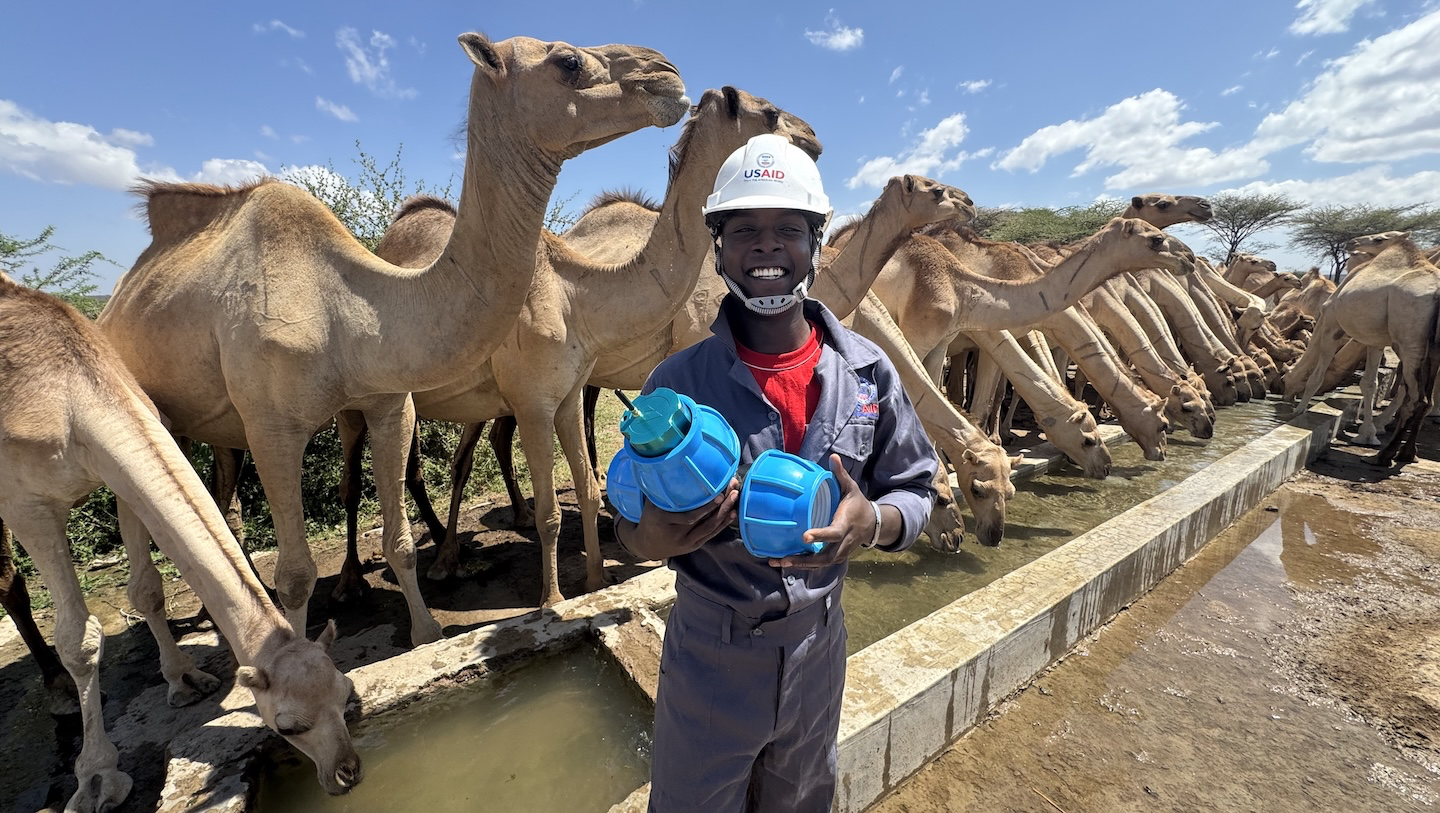
Lume installed in a Gold Standard water treatment program in Kenya
The Lume installed in a Gold Standard water treatment program in Kenya
The Lume installed in a Gold Standard water filter program in Rwanda

Project Background Information

MethodologyGS Methodology for emission reductions from safe drinking water supply
Version NumberV.1.0
Project TitleGS 12239 VPA-1 Amazi Meza Rwanda Water Supply Project For Schools
GS IDProject: GS12240  |  VPAs: GS12239
Project StatusCertified
Project DeveloperVirridy Carbon LLC
Geographic LocationRwanda
Contacthelp@goldstandard.org

Scope

The objectives of this project are: (i) Schools from rural communities have access to safe water and (ii) CO₂ emissions are avoided. This project will address critical access to safe water, whilst contributing to the avoidance of greenhouse gas emissions from the boiling of unsafe water.

Proposed Solution

Overview of the dMRV Solution

The proposed dMRV solution integrates Virridy’s Lume sensor into the team’s institutional water treatment (IWT) project in Rwanda to remotely and continuously monitor water filter use and estimate treated water quality. By deploying a network of IoT-enabled fluorescence sensors at the point of consumption, the system provides near-real-time, high-resolution data on microbial drinking water quality (E. coli risk), replacing or augmenting traditional periodic manual sampling with automated, cloud-based reporting.

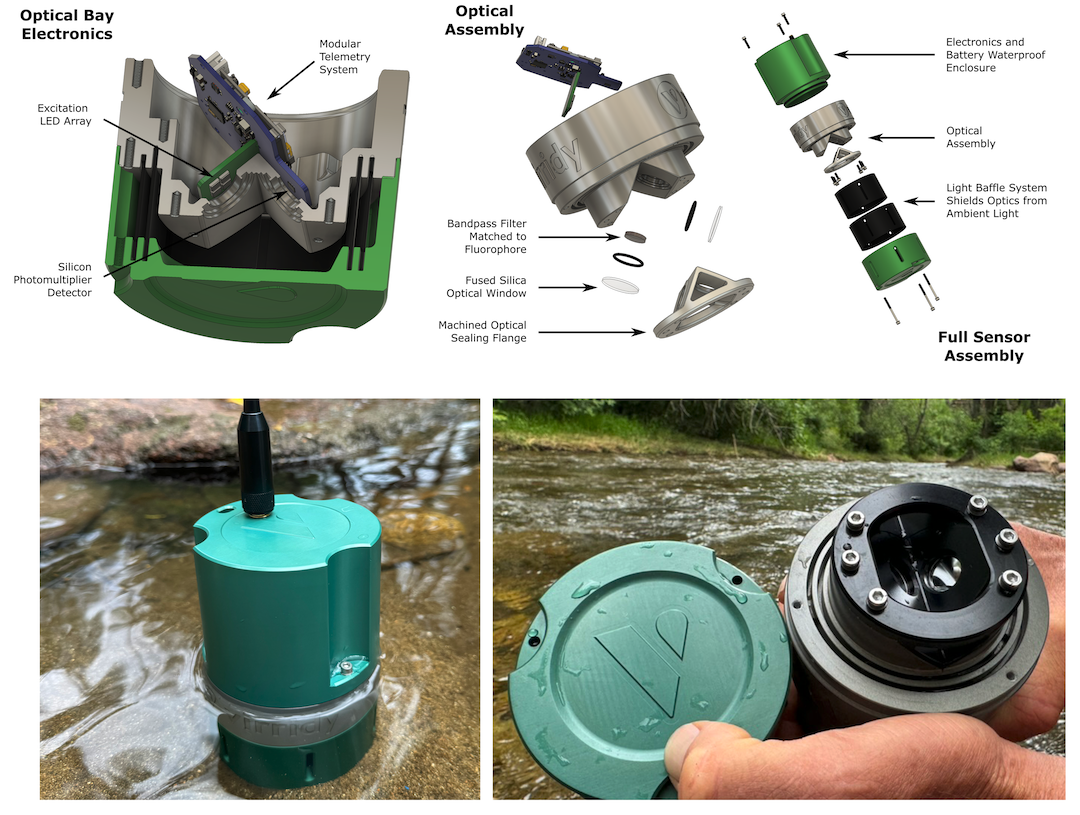
The Lume hardware design
The Lume hardware design — optical bay electronics, optical assembly, and full sensor assembly

Scope of dMRV Solution Application

The primary challenge addressed by this dMRV solution is the lack of continuous, objective, and easily verifiable monitoring of microbial drinking water quality in carbon-financed water treatment programs.

Although the microbial water quality of treated water is not typically expected to indicate contamination, the absence of high-resolution data reduces the ability to validate performance over time. Conventional monitoring relies on infrequent grab samples that may not capture variability in treatment performance or contamination events.

This challenge is especially pronounced in household and institutional water treatment (HWT/IWT) programs like those in Rwanda, where water can be contaminated post-treatment due to improper use, filter degradation, or environmental factors. Without continuous data, it is difficult to provide high-confidence assurance that treated water consistently meets safety standards.

To close this gap, the proposed dMRV solution deploys Virridy’s Lume sensor to digitally monitor microbial water quality at the point of consumption.

Scope of MRV Activities Digitized

By digitizing these MRV components, the solution provides a higher level of assurance that users are consistently receiving microbiologically safe water, reinforcing the validity of GHG reduction claims tied to the displacement of boiling.

dMRV Solution Application

The proposed dMRV solution leverages the Lume sensor to continuously estimate E. coli contamination at the point of consumption (i.e., the water from LifeStraw Community water filters) and transmits data via cellular networks to cloud-based dashboards for reporting and auditing.

Digitized MRV Activities

The dMRV solution digitizes the monitoring, reporting, and partial verification components of the MRV framework. Sensor technology captures microbial water quality and water system uptime metrics, while cloud platforms handle data aggregation, analysis, and structured reporting for project developers and verifiers.

Data Collection and Management

The Lume device collects microbial water quality data continuously in the safe water storage container of LifeStraw Community filters. In some cases, the Lume will also collect data on the untreated water source. Data is stored locally on the device and transmitted over cellular networks to a secure cloud platform for aggregation and analysis.

Data Analytics and Automation

Raw data collected by the Lume sensor undergoes processing in a machine learning model. The model outputs quantification and prediction error of E. coli contamination risk aligned with WHO risk classifications. Automated dashboards present key metrics in real time, with alerts triggered for anomalies such as elevated contamination or extended sensor inactivity.

Standardized Reporting

The system generates standardized reports summarizing microbial water quality performance (E. coli risk category in CFU/100mL) over defined intervals (e.g., daily, weekly). These reports are accessible via the cloud platform and can be exported for inclusion in Gold Standard monitoring and verification documentation.

Key Technologies & Methodologies

The dMRV solution integrates multiple digital technologies to enable continuous, accurate, and verifiable monitoring of microbial drinking water quality.

Data Collection Technologies

The core data collection technology is an Internet of Things (IoT) sensor, the Lume, developed by Virridy. The Lume is a fluorescence sensor, measuring the peak wavelength of tryptophan-like fluorescence (TLF) excited by UV LEDs. TLF is a biological marker correlated with fecal contamination. A machine learning (ML) model estimates E. coli contamination from fluorescence data. The sensor also includes a water presence detector to monitor system uptime and infer treatment volumes.

Data Processing and Analysis Tools

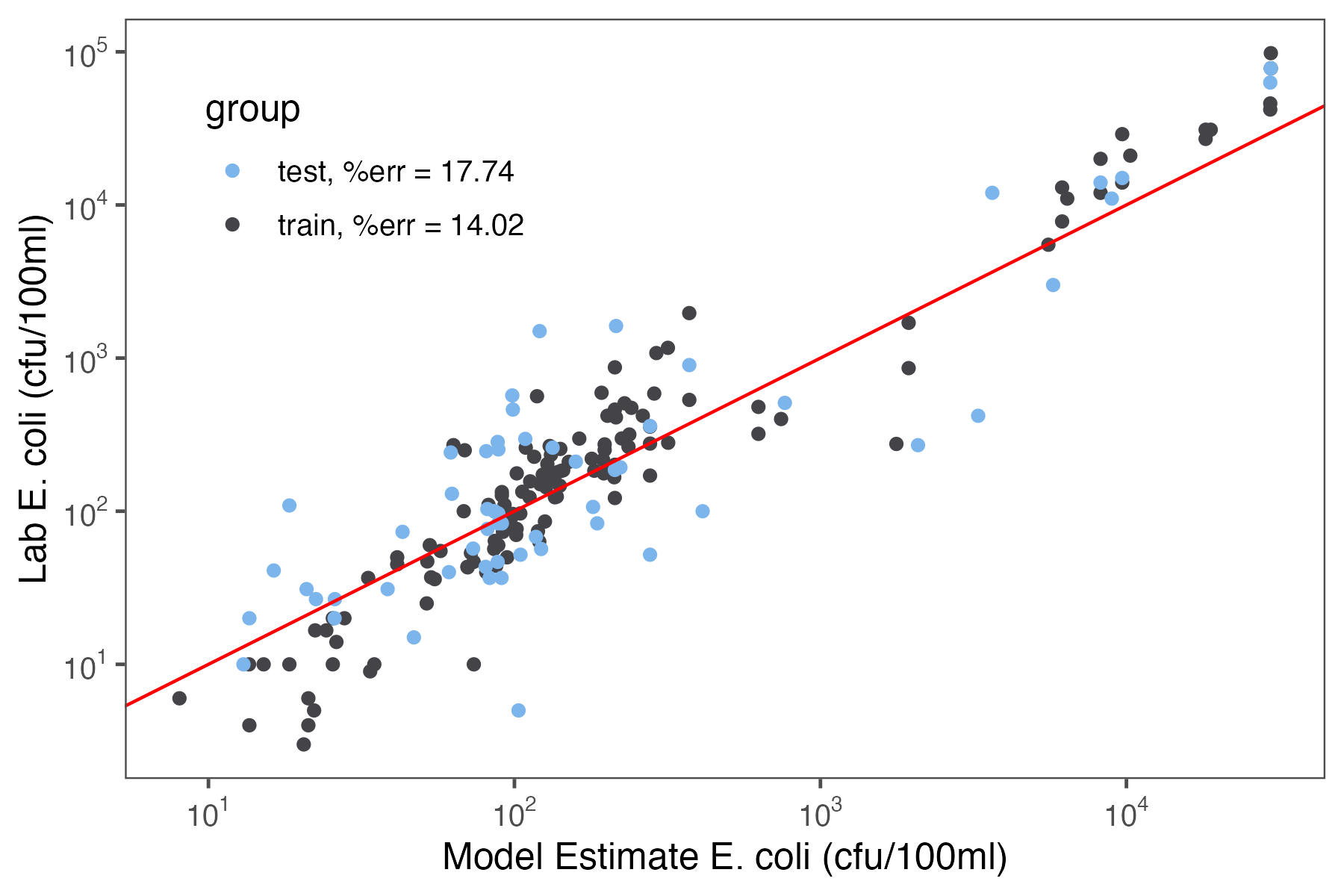
Data collected by the sensor is processed using a machine learning (ML) algorithm that estimates water quality and classifies E. coli contamination risk into WHO risk categories. The ML model uses data from the Lume sensor (e.g., TLF intensity, ambient temperature, turbidity), and is trained and validated on a reference set of laboratory E. coli samples. Model performance, including prediction intervals, is integrated into the dashboard for confidence-aware reporting.

ML model validation — Lab E. coli vs Model Estimate
Machine learning model validation: Lab E. coli (CFU/100mL) vs. Model Estimate — test error 17.74%, train error 14.02%

Cloud Computing for Data Storage and Accessibility

All sensor data is transmitted to a secure cloud-based data platform that stores, aggregates, and organizes information by device, location, and time period. The platform provides secure, role-based access for project developers, verifiers, auditors, and other stakeholders.

Technology Maturity Level

The technology has been prototyped, validated in the lab and deployed in various field conditions, including the application for the proposed dMRV application. It is around level 7 on the TRL scale.

This TRL level supports deployment across a significant portion of the market, especially in contexts requiring reliable, continuous, and remote monitoring of water systems. The system’s design is adaptable to other water project types (e.g., household water treatment, community water supply).

The solution incorporates mature digital data collection capabilities, including:

Additionally, the dMRV solution leverages advanced technologies to enable “smart” operations, including:

Digitization & Automation of MRV Activities

Scope of Digitization

The dMRV solution applies to a specific subset of material GHG sources. Specifically, greenhouse gas emissions avoided through the consistent delivery of microbiologically safe drinking water that displaces the need for boiling.

Automation Level

The following MRV processes could be automated:

These MRV processes still require human intervention:

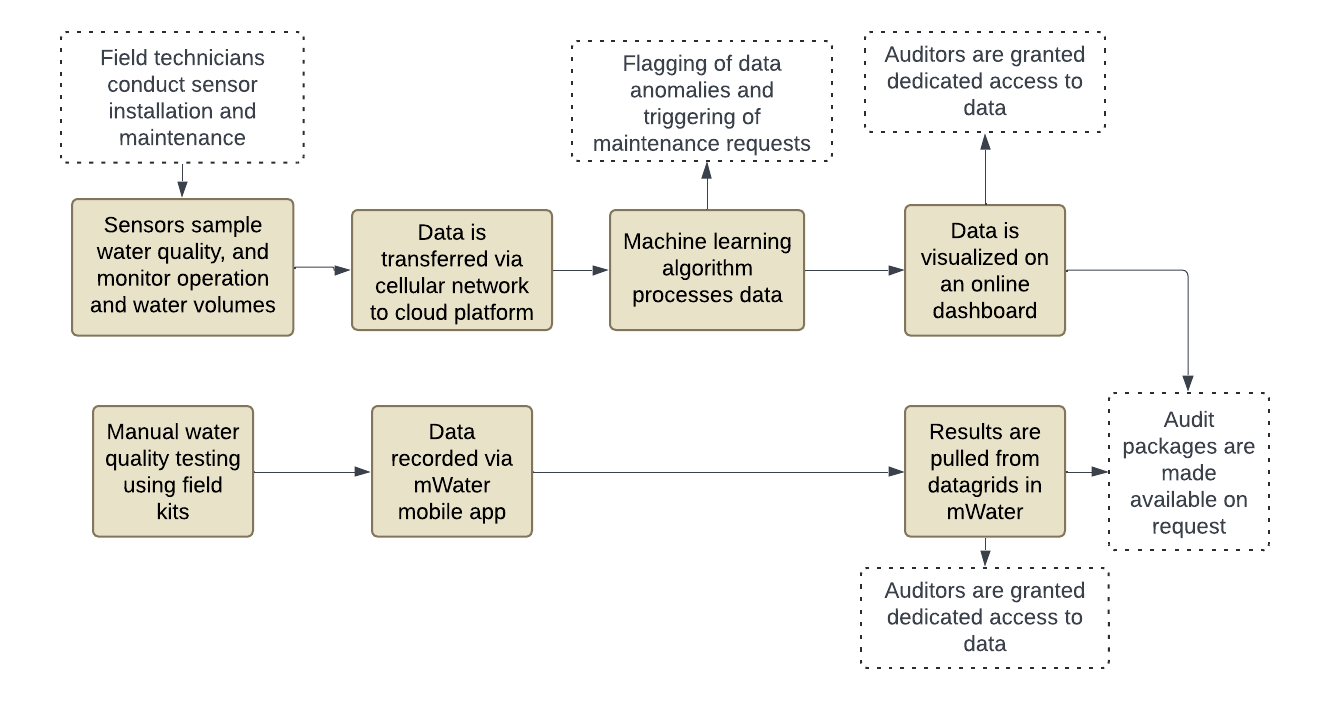
Data Flow

  1. Collection: The Lume autonomously collects data on microbial water quality from the filter safe water container.
  2. Transmission: Data is transmitted over mobile networks to a secure cloud-based platform.
  3. Processing: On the platform, data are automatically cleaned, time-stamped, and analyzed using pre-trained machine learning models.
  4. Storage: Results are securely stored in a structured database, organized by device, location, and date.
  5. Reporting: Dashboards and downloadable reports provide accessible summaries for project developers, auditors, and Gold Standard reviewers.
Data flow diagram
Table 1: Summary of data flow — from field sensors and manual testing through cloud processing to audit packages

Digital Technologies Integration

Lume Sensor

The digital technologies integrated into the dMRV solution include a physical IoT sensor device paired with a machine learning model that reports estimated E. coli contamination risk in near real time.

The Lume sensor is the key hardware component of the dMRV system. It is an IoT fluorescence-based E. coli sensor that can also estimate water filter use and treatment volumes with a water presence sensor. Data gathered directly by the Lume sensor is transmitted to a remote and secure cloud-based data platform for processing with the machine learning model.

Machine Learning Model

The ML model is the primary software in the dMRV system. It takes raw data from the sensor and processes it to estimate WHO risk category of E. coli contamination.

The ML model outputs WHO risk categories from raw data collected by the sensor. Model outputs are pulled into a dashboard that provides water quality data to accrediting agencies, municipalities, implementing partners, and other stakeholders.

The sensor and the ML model are in a field evaluation and validation phase.

Extent of MRV Digitization

Fully Automated MRV Processes

Microbial Water Quality Monitoring (SDWS 18)

This parameter is fully digitized, potentially replacing or at minimum increasing the efficiency and cost effectiveness of manual, periodic water quality testing. The Lume sensor captures near real time microbial quality measurements at the point of consumption, transmitted to a cloud platform for automatic analysis and reporting.

Partially Digitized Activities

Project Technology Operation Days (SDWS 27)

Lume includes internal water presence / absence sensors that can infer operational days based on system activity. While the sensor can autonomously estimate uptime, a more extensive field deployment will be needed to validate the accuracy and reliability of this method before it can be considered fully digitized.

Safe Water Quantity Monitoring (SDWS 23)

This parameter is being evaluated as part of the dMRV plan. While the Lume may be able to track water flow events and link them to microbial safety data, further development is needed to validate volume estimation accuracy.

System Calibration and Maintenance Logs

While routine maintenance and calibration are supported by automated alerts and diagnostics from the sensor, the actions themselves (e.g., cleaning, sensor replacement) are conducted by field technicians and documented manually in digital logs.

Efficiency and Accuracy Improvements from Digitization

Manual Human Involvement

Although the proposed dMRV solution digitizes key monitoring and reporting activities, certain MRV tasks still require manual human involvement:

Sensor Installation and Deployment

Why Required: Initial installation of the Lume device requires trained technicians to ensure proper installation and network connectivity.

Integration with Digital System: The installed sensor is logged manually and linked to the cloud-based platform.

Routine Maintenance

Why Required: To maintain data accuracy, periodic physical inspection and maintenance of the sensor hardware is required (e.g., cleaning optical components, charging/replacing batteries).

Periodic Water Quality Validation and Calibration

Why Required: Manual water sampling using lab or field-based tests (e.g., membrane filtration or Compartment Bag Test) may be periodically conducted to validate the Lume’s automated microbial readings.

Integration with Digital System: Validation results are manually recorded and can be used to assess the performance of machine learning models.

Future Digitization: Future improvements could include integration of field kit results into the cloud dashboard and automated comparison with Lume data for real-time model refinement.

Verification and Interpretation of Outliers or Data Gaps

Why Required: While most data anomalies, such as sensor offline periods, are flagged automatically, human interpretation is needed to determine cause and whether corrective action is warranted.

Integration of Digital and Manual Processes

The dMRV system combines automated and manual processes in a complementary manner to ensure verifiable monitoring of safe water delivery. Automated microbial monitoring and data transmission via the Lume sensor form the backbone of the system, generating continuous, time-stamped water quality data without the need for manual intervention.

Manual interventions, such as sensor maintenance and repairs, are triggered by automated alerts (e.g., sensor offline or abnormal readings). Alerts identify intervention requirements at designated thresholds and are logged to ensure traceability of manual actions.

Periodic water quality validation will be performed with field compartment bag tests. Time-stamped water quality data will be recorded by enumerators in mWater, a cloud-based data platform. Data will be used to validate and continuously improve the Lume machine learning model.

Data Collection & Management

Parameters to be Measured

Primary Parameter

SDWS 18 – Microbial Drinking Water Quality: Measured using the Lume sensor, which detects tryptophan-like fluorescence (TLF) as an estimate of E. coli contamination within the same error bounds as lab-based methods.

Exploratory Parameters

Data Sources and Collection Methods

Quality Assurance and Control Measures

Automated QA/QC

Manual QA/QC

Reporting Structure, Frequency, and KPIs

Reporting Structure: Web-based dashboard for real-time monitoring and historical data visualization.

Reporting Frequency:

Key Performance Indicators:

Data Storage and Security Protocols

Expected Outcomes & Impact

200×
More Daily Samples
TRL 7
Technology Readiness
24/7
Continuous Monitoring
IoT
Cloud-Connected

Improved Accuracy in GHG Emissions Measurement and Reporting

Traditional MRV methods rely on infrequent, single point-in-time, water quality testing, user surveys, or physical inspections, which introduce potential uncertainty and may fail to capture variability in system performance over time.

This high-frequency monitoring enables the detection of potential temporal trends in water quality and increases the likelihood of capturing contamination events if they occur. As a result, the dMRV system offers stronger assurance that claimed emission reductions are backed by reliable, continuous evidence of safe water delivery.

We anticipate having sensors installed continuously at a sample of water treatment systems, enabling at least 200× more daily samples than currently required in the Gold Standard methodology.

Enhanced Data Transparency and Accessibility for Stakeholders

The dMRV system provides real-time access to performance data via secure cloud dashboards, enabling project developers, verifiers, and Gold Standard reviewers to evaluate project outcomes at any time. This reduces information asymmetry between project operators, auditors, and credit buyers.

Reduced Time and Cost Associated with MRV Processes

By automating microbial monitoring, data transmission, and reporting, the system reduces the need for frequent field visits, lab testing, and manual data processing. This lowers the overall cost per data point while improving the confidence and resolution of MRV outputs.

Increased Confidence in Carbon Credit Generation and Trading

Digitized water quality data provides a higher level of assurance to buyers and certification bodies that claimed emissions reductions are backed by verifiable, high-resolution water quality data.

MetricTraditional MRVLume-enabled dMRVImprovement
Microbial sampling frequencyQuarterly to annualHourly or daily100×+
Data completenessLimited (discrete samples)Continuous streamSignificantly improved
Human involvementHighLowReduced cost & error
AuditabilityModerate (paper-based)High (cloud-based, time-stamped)Stronger transparency
GHG estimation confidenceMediumHighGreater accuracy & conservativeness

Revisions to the Applied Methodology

Methodology Revisions for dMRV Implementation

This dMRV solution proposes minor updates to the Gold Standard methodology titled “Emission Reductions from Safe Drinking Water Supply” (Version 1.0) to accommodate the integration of Virridy’s Lume digital monitoring technology.

Specific Modifications Required

Allow the use of automated microbial monitoring devices (e.g. the Lume) on a statistically random and valid sample of installed water treatment systems to replace or complement manual sampling for SDWS Parameter 18 (Microbial Drinking Water Quality).

Justification for Each Proposed Change

The current methodology relies on periodic manual testing or indirect evidence of water quality. Automated, high-frequency measurements provide a higher resolution dataset that can detect performance fluctuations and contamination events in near real time, substantially improving data quality for emissions quantification.

Alignment with Methodology’s Original Intent

The methodology’s core intent is to conservatively quantify GHG emission reductions resulting from reduced boiling of water for purification. The dMRV solution enhances this intent by providing stronger, more continuous evidence that water treatment systems are effectively delivering safe water — the foundational assumption behind the crediting of emissions reductions.

Potential Impacts on Emissions Calculations

The quantification approach remains unchanged, but the underlying assumptions about technology performance are now supported by continuous digital evidence rather than periodic manual verification, improving overall confidence in credited emissions reductions.

Risk Assessment & Mitigation

The implementation of a digital MRV system introduces a range of technical, operational, and contextual risks. This section outlines the key risks associated with the use of Virridy’s Lume device in the proposed dMRV application.

Connectivity and Data Transmission Failures

Risk In areas with limited or unreliable cellular network coverage, real-time data transmission from the Lume sensor to the cloud platform may be interrupted.

Mitigation Lume includes local data storage capability to buffer readings during outages. Data is automatically uploaded once connectivity is restored. Site selection also considers network strength, and alternative communication protocols can be evaluated.

Sensor Malfunction or Calibration Drift

Risk Over time, sensors may drift or malfunction, leading to inaccurate microbial readings.

Mitigation The machine learning algorithm is designed to account for signal variability and minimize the impact of drift. In addition, preventive maintenance schedules (such as lens cleaning), and periodic field sampling for model validation are part of the solution. Sensor diagnostics are monitored remotely.

Power Supply Interruptions

Risk The Lume sensor may stop functioning due to depleted or damaged power sources (e.g., battery failure).

Mitigation Devices use low-power design, and batteries can be swapped and periodically recharged. Battery status is monitored remotely via diagnostics, and field teams are alerted to replace or recharge units before power loss.

Data Gaps and Incomplete Records

Risk Equipment failure or transmission delays may result in missing data, affecting the completeness of the MRV dataset.

Mitigation The system includes automated data integrity checks and alerts. Gaps are investigated by field teams, and assumptions around data completeness are transparently documented during reporting.

Limited Local Capacity for Device Maintenance

Risk In rural deployment areas, limited technical expertise may delay troubleshooting or repairs.

Mitigation Virridy’s local technicians are trained on installation, maintenance, and supported with diagnostics.

Cybersecurity and Data Privacy Risks

Risk Unauthorized access to cloud systems could compromise data integrity or violate privacy protocols.

Mitigation The platform uses role-based access controls. No personally identifiable information is collected, minimizing privacy concerns.

Scalability & Replicability

The proposed dMRV solution is designed for scalability across geographies and adaptable for other water project types and sectors. Its portable and compact design, use of cellular networks, and cloud-based data architecture make it suitable for a variety of deployment contexts.

Expansion Potential

The Lume device can be deployed across a wide range of institutional, household, or community water treatment systems. Scaling to additional regions is feasible wherever basic mobile connectivity is available, and the solution requires minimal on-site infrastructure.

Adaptability

The solution is not limited to institutional filter projects; it can be adapted to other water projects (e.g., community water supply, household water treatment). The sensor can be potentially customized for different deployment contexts and regulatory frameworks.

Scaling Cost-Effectiveness

Per-site costs decrease significantly at scale due to economies of scale in hardware procurement, cloud hosting, and technician training. Automated data workflows reduce MRV transaction costs over time.

Financial Capacity

Initial capital for dMRV deployment is allocated within the broader project implementation budget. Additionally, the Lume sensor’s applicability across other sectors (e.g., environmental monitoring) creates potential for cross-subsidization and diversified funding sources.

Skilled Workforce

Local technicians are trained to install, maintain, and troubleshoot Lume sensors, ensuring immediate on-the-ground capacity. However, the dMRV system is designed to be delivered as a subscription-based service, where Virridy provides ongoing hardware support, data management, cloud hosting, and model maintenance. This reduces the dependence on local technical expertise for system operation.

Sustainability & Accessibility

Sustainability Performance

The dMRV solution offers clear environmental benefits over conventional MRV approaches while maintaining a minimal footprint.

Supplementary Evidence

Please see:

Accessibility

The dMRV solution is designed to be low-maintenance, and accessible to users and stakeholders with minimal technical expertise.

Transparency, Auditability & Compliance

Methods for Accessing and Reviewing Raw Data

Raw data can be accessed and reviewed through the cloud platform API or retrieved as .csv or .xlsx files from the Virridy team. To protect their integrity, raw data are never directly edited or used in their raw form for reporting. Instead, raw data are processed through the ML model, which outputs water quality estimates and classifications for reporting.

Processes for Verifying Calculations and Algorithms

E. coli estimates and categorization with the machine learning model can be verified with the designated hyperparameters and features. Hyperparameters are preset before training/developing and control model behavior. Feature data are the sensor inputs used to predict E. coli, and include TLF, temperature and turbidity. Both hyperparameters and feature data are available for verification by auditors.

Raw and processed data is available to an auditor. Non-conflicted third party academics at the University of Colorado Boulder and Colorado State University will provide an independent analysis of the model and approach.

MRV Performance Standards

The dMRV solution meets and in some instances exceeds MRV performance standards and IT/cybersecurity requirements set by Gold Standard and other certification bodies.

The system enables high-confidence certification by providing:

IT and Cybersecurity Compliance

The platform follows current best practices in data security and privacy:

Supporting Ecosystem

The dMRV solution is supported by a robust ecosystem of technical infrastructure, trained personnel, and expert partnerships that ensure reliable operation and long-term scalability.

Technical Support and Maintenance

Virridy provides technical support for the Lume sensor through a subscription-based service model. This includes:

This model ensures continued system performance while reducing the long-term technical burden on local project owners.

Training Programs

Local technicians and project staff are trained in:

Partnership

The dMRV solution benefits from strategic collaborations, including:

This integrated support system ensures that the dMRV solution remains functional, auditable, and aligned with evolving certification and technology standards.